
Diamonds · Updated September 1, 2026
How Much Is My Diamond Worth?
A practical explanation of how a diamond’s resale value is determined — the four Cs, the difference between retail and wholesale, GIA reports, shape and size premiums, and how to get a real number.
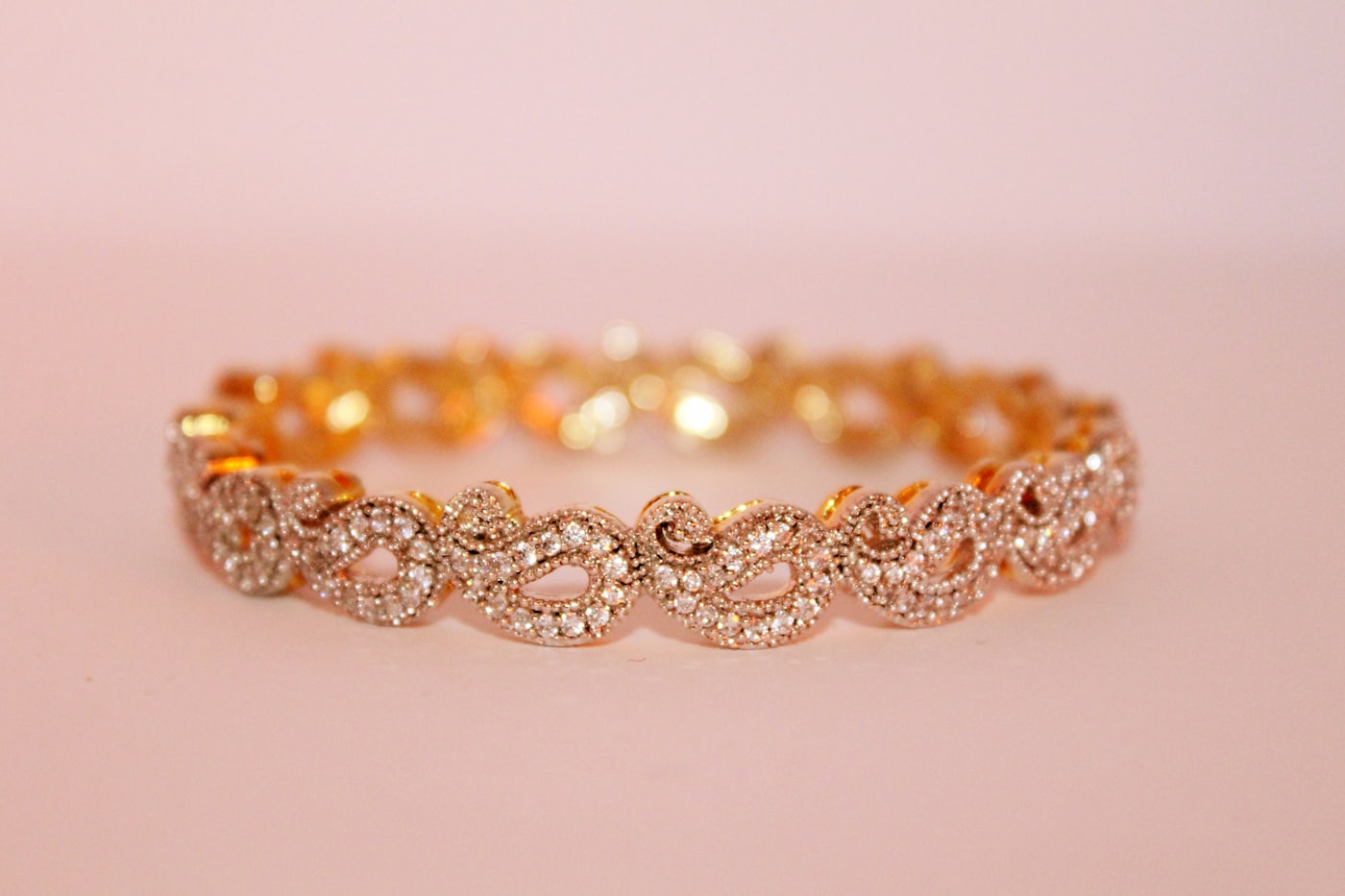
The honest answer is: it depends on four things about the stone, one thing about the market, and one thing about who is asking. Here is how to think about each.
Start with what the diamond is
Every diamond is described by carat weight, color, clarity, and cut — the four Cs. Together they place the stone on a grid of wholesale prices that the trade updates continuously.
- Carat weight is simply how much it weighs. Prices rise per carat as well as with weight, and there are jumps at popular thresholds: a 1.00 ct stone is worth noticeably more than a 0.95 ct stone of the same quality, and the same is true at 1.50, 2.00, and 3.00.
- Color is graded from D (colorless) down through the alphabet. Most engagement diamonds are in the F–J range. Each step matters more as stones get larger.
- Clarity describes inclusions, from Flawless down through VVS, VS, SI, and I. The line that matters most for resale is whether inclusions are visible to the eye; VS and clean SI1 stones sell readily.
- Cut covers proportions, polish, and symmetry. A well-cut stone is bright and lively; a poorly cut one looks dull even with high color and clarity, and the market prices that difference heavily.
Two further factors: shape (round brilliants and ovals are the most liquid and price highest per carat; other shapes trade at discounts that shift with fashion) and fluorescence (strong blue fluorescence in a high-color stone is discounted).
A GIA report tells you which square you are in
If your diamond has a GIA report, you already know its grades, and a buyer can price it precisely. If it does not, a buyer will grade it — and, if honest, will show you how — but will allow for some uncertainty. For stones over about a carat, a GIA report often pays for itself. See does a GIA certificate increase diamond value?
Retail is not resale
This is the part most sellers find hardest. The price on the receipt included a retail markup — commonly 50 to 100 percent over wholesale — plus the mounting, and sometimes financing and warranties. When you sell, the diamond returns to the wholesale market, and that is where its value sits. A well-chosen diamond typically resells for a meaningful fraction of what it cost; it will not resell for what it cost.
What a buyer will actually pay
A dealer buying for resale pays wholesale less a margin. Auction houses charge the seller a commission and take months. Online marketplaces take a cut and leave you handling shipping and buyer disputes. Pawn shops and generalist gold buyers usually pay least, because they price a diamond as a commodity and resell locally.
The way to get a real number is to have the stone graded in front of you by a specialist buyer who will show you comparable current prices and put the offer in writing. Then compare it. If two buyers grade the stone the same way, their offers should be close; if one is far higher, ask what grades they used.
Rough guidance
Rather than publish a price chart that would be out of date in a week, we will grade your diamond in person at no charge and show you the comparables. Bring the stone, any report, and the receipt if you have it, to our Atlanta or New York office.