Diamonds · Updated September 1, 2026
How to Identify an Old European Cut Diamond
A visual guide to recognizing an old European cut — the small table, high crown, open culet, and chunky facet pattern — and telling it from a modern round brilliant, a transitional cut, and an old mine cut.
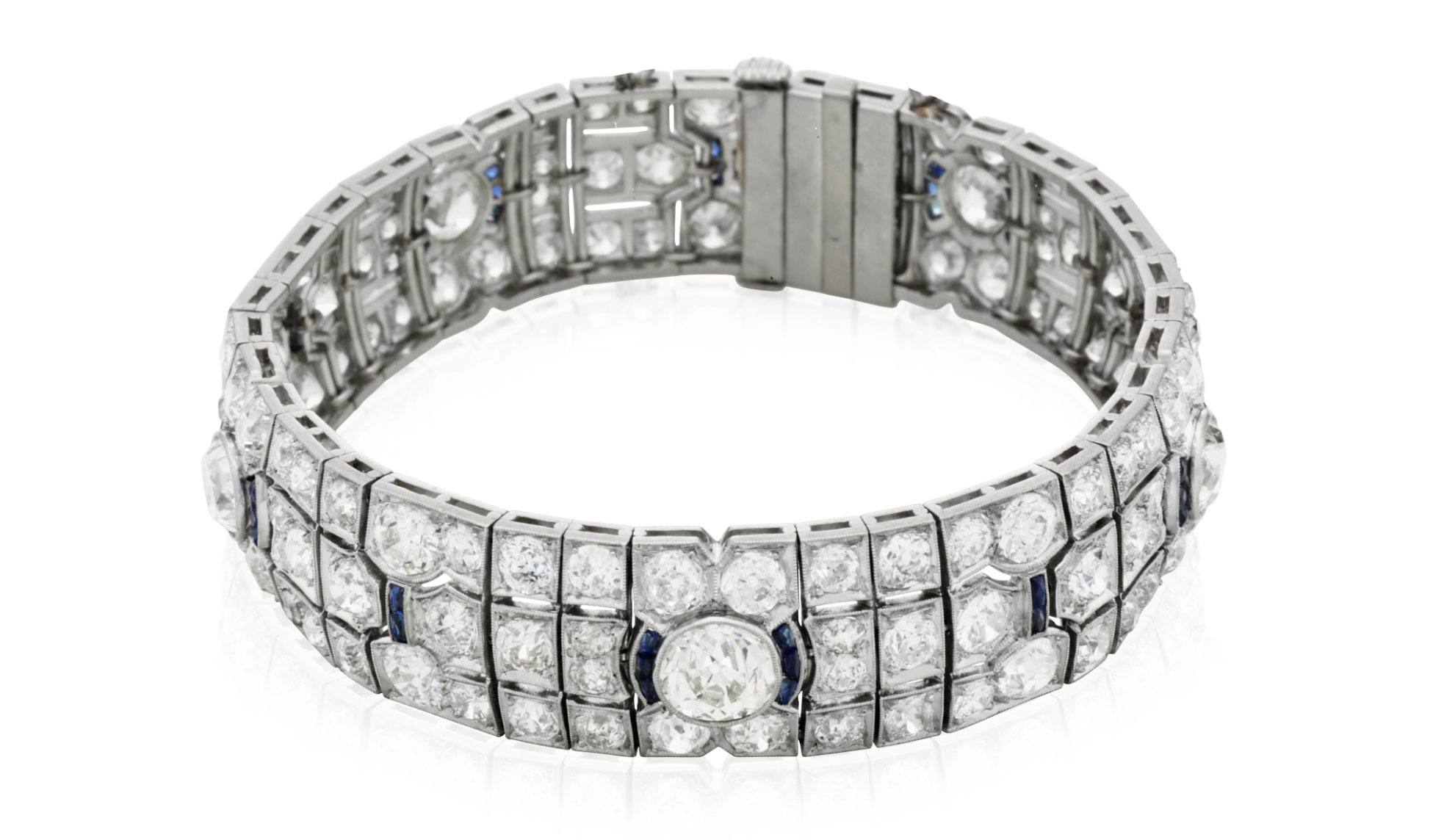
If you have inherited a diamond ring made before about 1940, there is a good chance its stone is an old European cut — and a good chance that whoever appraised it last simply called it “round.” The distinction matters: old European cuts are wanted by antique-jewelry makers and are worth more than their recut weight. Here is how to recognize one with nothing more than your eyes and a loupe.
Look at it face-up
The table is small. The flat facet on top of a modern round brilliant covers about 55–60 percent of the stone’s width. On an old European cut it is noticeably smaller — often 40–50 percent — so the stone looks “domed” with a small window in the middle.
There is a spot in the center. Modern stones come to a point at the bottom. Old Europeans have a culet — the bottom point was cut off flat — and when you look straight down through the table you see it as a small circle or dark spot in the exact center. It can look like a tiny hole. This is the single most reliable tell.
The facets are big and the sparkle is chunky. Instead of the fine, uniform glitter of a modern brilliant, an old European throws broad flashes of white and rainbow color, with visible dark and bright patches that move as you tilt the stone. In candlelight or dim light this is exactly what they were cut for.
The outline is round but not perfectly so. These stones were cut by hand, one at a time, to keep as much weight as possible from the rough. Slight asymmetry — a little egg-shaped, or one side a touch fuller — is normal and authentic.
Look at it from the side
The crown is tall. The upper part of the stone rises steeply from the girdle, and the whole stone tends to be deep relative to its width. A modern brilliant is comparatively flat on top.
The girdle is often thick or uneven, and may be frosted rather than faceted.
Telling it from the neighbors
- Modern round brilliant (post-1940s): large table, pointed bottom (no culet), 57–58 small facets, very even sparkle, machine-perfect symmetry.
- Transitional cut (c. 1920s–1940s): in between — a larger table than an old European, a small or very small culet, and a lower crown. Often found in late Art Deco rings. Priced between the two.
- Old mine cut (c. 1700s–1880s): cushion or squarish outline rather than round, with an even smaller table, higher crown, and larger culet. See old mine cut vs old European cut.
- Rose cut: flat bottom, faceted dome, no pavilion at all. Much older style, and a different thing entirely.
What a lab will call it
GIA describes stones meeting its criteria as “Old European Brilliant” on the report; stones that are close but not quite get “Circular Brilliant” or simply “Round Brilliant” with the measurements telling the story. If you are having a stone graded, ask for the cut style to be noted.
What to do if you have one
Do not have it recut. Do not have it reset in a modern mounting before selling if it is in its original antique setting — the whole piece may be worth more together. Bring it to a buyer who handles antique jewelry and knows what they are looking at. We buy old European cuts at both our Atlanta and New York offices and use them to restore period pieces.