Diamonds · Updated September 1, 2026
Old Mine Cut vs Old European Cut
The two great antique diamond cuts side by side — dates, outline, table, crown, culet, facet pattern, the jewelry each is found in, and how each is valued today.
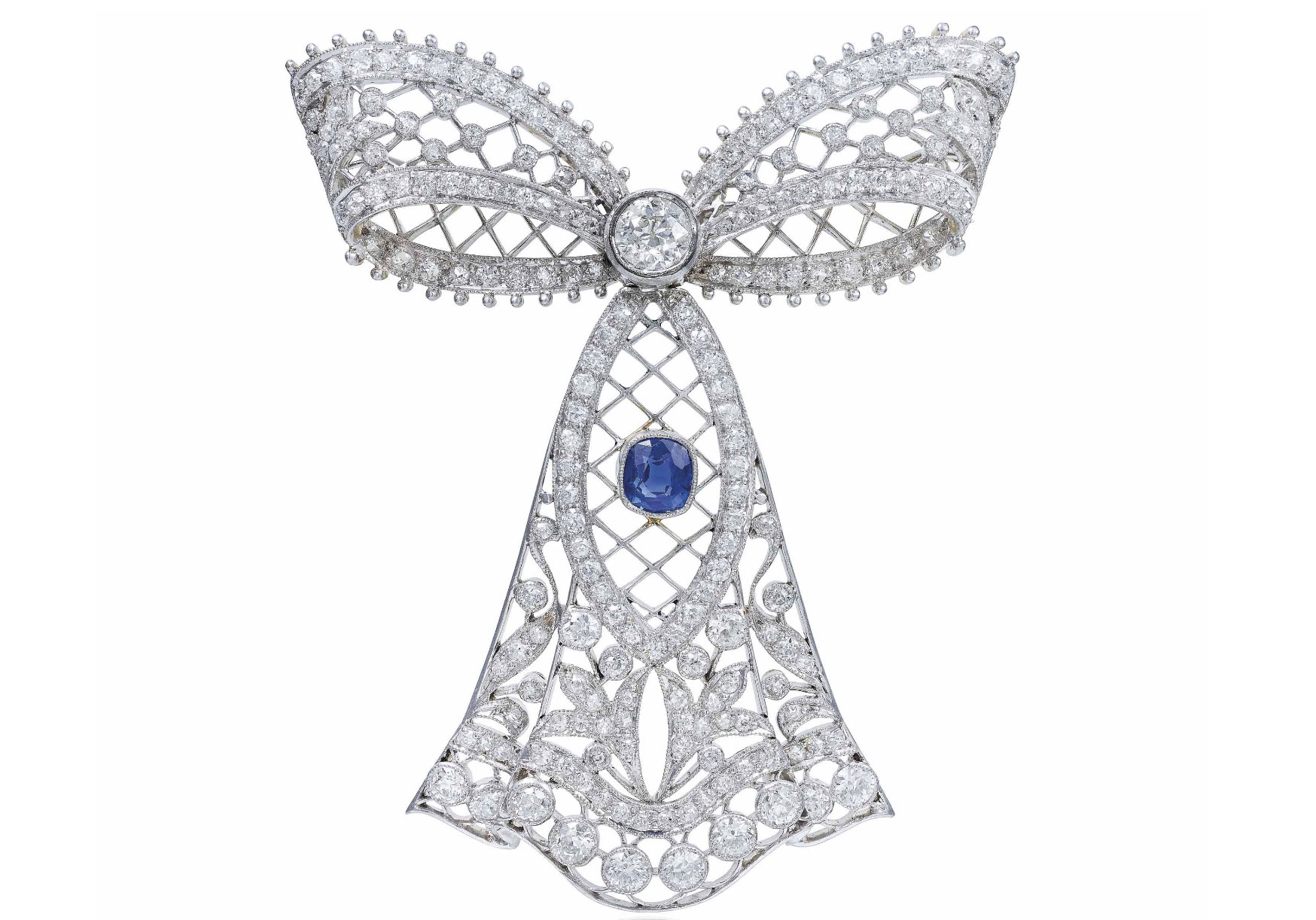
Both are hand-cut antique brilliants. Both have small tables, high crowns, and open culets. Both are wanted by restorers and antique-jewelry makers and are worth more than their recut weight. The difference is mostly the outline, and the century.
Side by side
| Old mine cut | Old European cut | |
|---|---|---|
| Period | c. 1700s – 1880s | c. 1880s – 1930s |
| Outline | Cushion / squarish with rounded corners | Round (hand-cut, so slightly irregular) |
| Table | Very small | Small (larger than old mine) |
| Crown | Very high | High |
| Culet | Large and obvious | Present, smaller |
| Facet count | Typically 58, large and irregular | Typically 58, more regular |
| Look | Broad, soft flashes; “candlelight” sparkle | Chunky flashes, somewhat brighter |
| Found in | Georgian, Victorian jewelry; closed-back and silver-topped settings | Late Victorian, Edwardian, Art Deco platinum jewelry |
| Lab term (GIA) | “Old Mine Brilliant” (or “Cushion” / “Antique Cushion” if outside criteria) | “Old European Brilliant” (or “Circular Brilliant”) |
Why the shape changed
Old mine cuts followed the natural octahedral shape of rough diamond crystals, which yields a squarish stone with minimal waste. In the 1870s, steam-powered bruting machines made it practical to round a diamond’s girdle, and cutters moved to the round old European style, which caught more light. By the 1920s and 30s, the transitional cut and then the modern round brilliant (with its larger table and pointed pavilion) took over, and by mid-century antique cuts were being recut into modern shapes by the thousand. That is why supply is fixed and shrinking.
How each is valued
For both, carat weight, color, clarity, and the attractiveness of the cut drive the price, with color judged more leniently than in modern stones because period rough tends to be warmer. A well-made stone with a lively, even pattern is worth more than a lumpy or over-deep one, regardless of which cut it is.
Old mine cuts are somewhat rarer, especially in larger sizes, and Georgian-era examples with their original mountings have strong collector appeal. Old Europeans are more numerous and are in constant demand for antique-style engagement rings, so they are the more liquid of the two. Per carat, a fine example of either sits in the same range as a comparable modern stone — and sometimes above it for large or exceptional stones — but only with a buyer who values the antique cut. A generalist will price both at recut weight, which loses 15–30 percent of the carat weight and all of the character.
Antique cushion, transitional, and “cushion brilliant”
Three terms that cause confusion when selling:
- Antique cushion is GIA’s name for a cushion-shaped old stone that does not meet the strict old mine criteria (table size, culet size, etc.). Valued similarly to an old mine cut.
- Transitional cut is a round stone from roughly 1920–1945 with a larger table and a small culet — halfway to modern. Common in late Deco rings; priced between old European and modern.
- Modern cushion brilliant is a contemporary cut with many small facets and a “crushed ice” look. Not antique; valued as a modern stone.
What to do with yours
Leave it as it is — do not recut, do not reset before selling if it is in a period mounting. Bring the stone or piece to a buyer who handles antique jewelry and can tell you which cut it is and why that matters for the offer. We buy both at our Atlanta and New York offices.