
Selling · Updated September 1, 2026
How to Sell Inherited Jewelry
A step-by-step guide for executors and heirs — what to do first, what not to do, how to get the collection evaluated, dividing pieces fairly among family, and choosing between selling, consigning, and keeping.
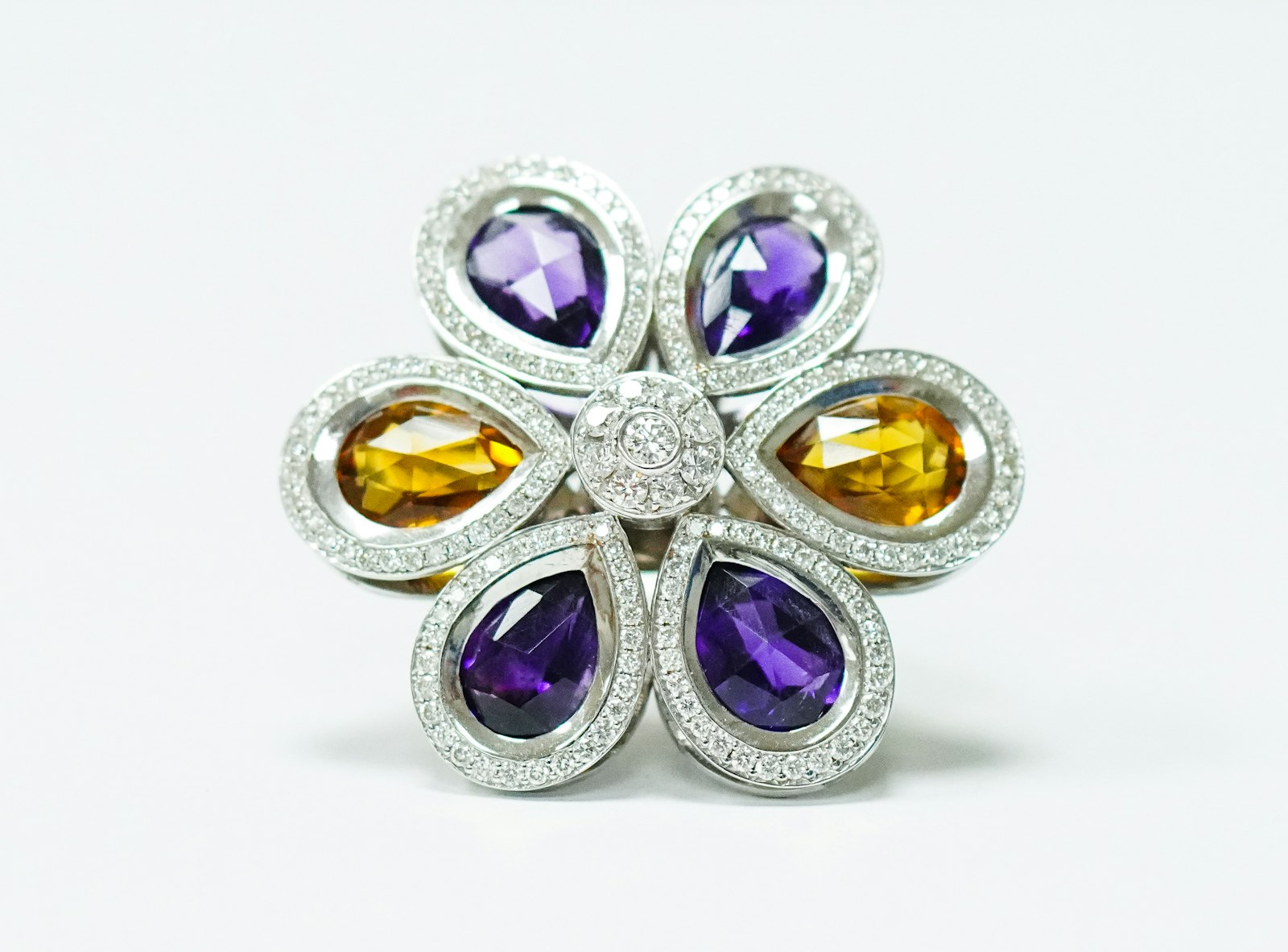
Inheriting jewelry usually arrives alongside grief, paperwork, and family logistics. This guide is meant to make the jewelry part straightforward.
First: do nothing to the jewelry
Do not clean, polish, repair, resize, or reset anything. Do not throw away boxes, pouches, receipts, or old appraisals. Do not separate stones from settings. Antique and signed pieces are worth most in original condition with their paperwork, and well-meant “tidying up” regularly destroys value.
If pieces need to be secured, a safe deposit box or home safe is fine. Photograph everything in place before moving it; it helps with the inventory and with family conversations.
Second: make a simple inventory
You do not need to identify or value anything yourself. List each item in a sentence — “yellow gold ring, red stone, in blue box” — and number them. If there are old appraisals or receipts, match them to items where you can. This gives you and your family a shared reference.
Third: get the whole collection evaluated by a specialist
Take everything — fine and costume mixed together is normal — to a buyer who handles estate and antique jewelry, and ask for an itemized evaluation. A good buyer will, at no charge:
- separate fine jewelry from costume;
- identify each piece (metal, stones, period, maker if any);
- tell you what each piece is worth to them, in writing, item by item;
- flag anything that might do better at auction, and anything that is worth keeping for reasons other than money.
Ask them to explain how they arrived at each number. Pieces should be priced as pieces — design, maker, period, stones — not simply weighed as gold.
You are under no obligation to sell at this stage. The itemized offer is useful even if you keep everything: it tells the family what is there.
If the estate requires a formal appraisal
Probate, estate tax, or equitable distribution may require a written appraisal from an independent, credentialed appraiser (look for GIA training and membership in a body such as the ASA, ISA, or NAJA). That is a separate document with its own fee, stating fair market value on the date of death. A buyer’s offer is not a substitute — and an appraiser is not a buyer. Many families get both: the appraisal for the paperwork, the buyer’s offer for the decision.
Dividing pieces among family
Common approaches: let each person choose a piece in turn, using the itemized values to keep the rounds fair; have the family agree on which pieces are kept and sell the rest, splitting the proceeds; or have one heir “buy out” another’s share of a sentimental piece at the evaluated value. The itemized evaluation makes all of these easier and less contentious.
Deciding what to sell, and where
For most items — gold, ordinary diamond jewelry, watches, mid-range estate pieces — an outright sale to a specialist buyer is the fastest and simplest route, with payment on the spot and no fees. For an exceptional or signed piece, ask the buyer for a written offer and then compare an auction estimate; see should I sell or consign estate jewelry? Keep what matters to you; the evaluation is not a sales pitch.
What to bring to the evaluation
Everything, in whatever boxes it is in. Any paperwork. A government-issued photo ID (required by law for precious metal purchases). If you are an executor, letters testamentary or similar authority are helpful, though not always required for an evaluation. Call ahead for large collections so a private room and enough time are set aside — our Atlanta and New York offices both do this regularly.