Selling · Updated September 1, 2026
What Happens to Jewelry After You Sell It?
Where jewelry actually goes after a buyer pays you — refining, the wholesale diamond market, the estate and collector trade, restoration, and resale — and why the destination explains the offer.
Sellers rarely ask, but the answer explains a great deal about why offers are what they are — and why two buyers can look at the same piece and offer very different amounts. A buyer can only pay you a share of what the piece is worth to them, and that depends on where they can send it.
Scrap gold goes to a refiner
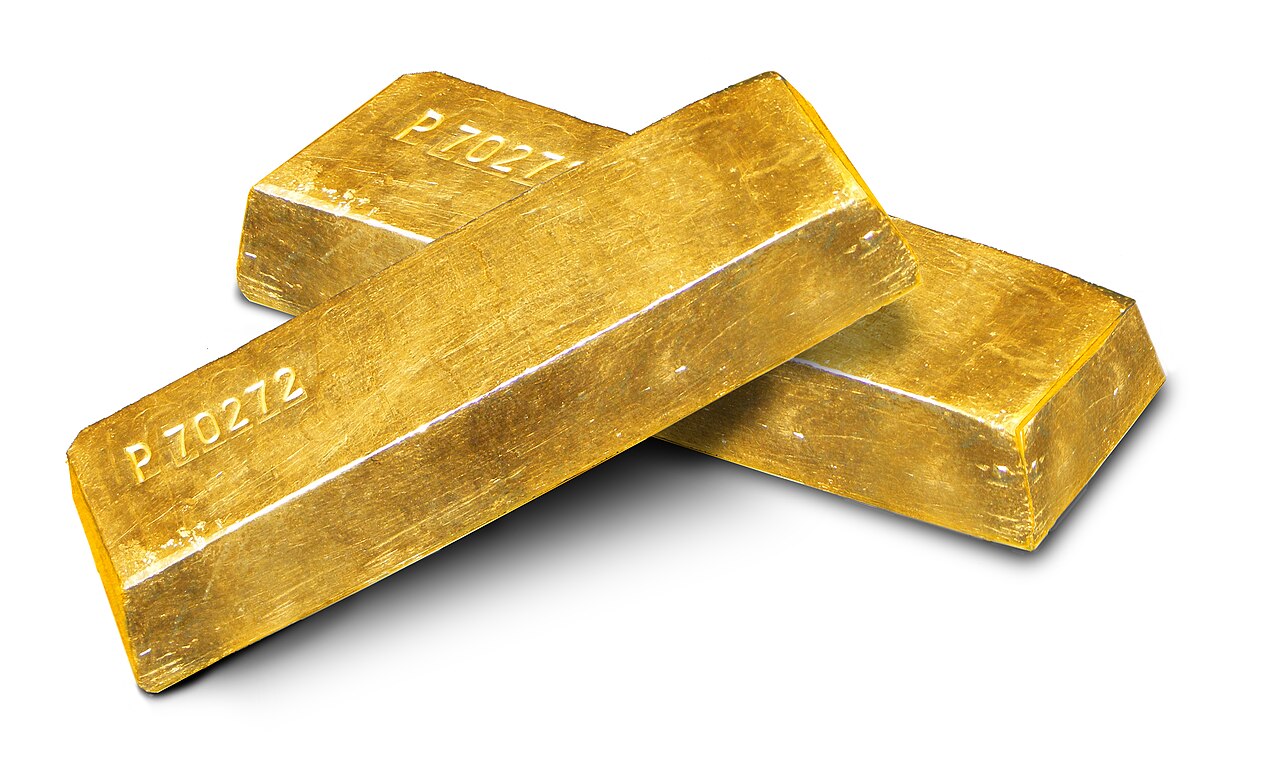
Broken chains, single earrings, plain bands, dental gold, and anything else that is worth no more than its metal is sorted by karat and sent in lots to a precious-metal refinery. The refinery melts and assays it and pays the buyer close to the spot price for the recovered gold, less a refining charge. That is the ceiling on what any buyer can pay for scrap, which is why every honest gold offer is a percentage of melt value. There is no magic; the differences between buyers are their margins and their honesty about weight and karat.
Diamonds go to the wholesale market
Loose diamonds, and diamonds removed from mountings, are sold to dealers, to manufacturers who set them into new jewelry, and to other buyers who need specific sizes and qualities. Certified stones over a carat are the most liquid and move quickly; melee is sorted and sold by the carat in parcels. Prices in this market are national and fairly transparent, which is why a specialist diamond buyer can pay more than a pawn shop that will resell your stone in its own window.
Antique cut diamonds are reused
Old mine and old European cuts are wanted by makers and restorers of antique-style jewelry, who cannot get them anywhere else. A buyer who serves that market can pay for the antique cut; a buyer who does not will send the stone to be recut, losing weight and value. This is the single biggest reason to take antique jewelry to a specialist.
Estate, antique, and signed pieces are resold intact
A Victorian brooch, an Art Deco bracelet, or a signed Cartier piece is worth far more as a piece than as materials, and a buyer who understands it will clean it, perhaps restore it, and resell it — to collectors, to dealers, through antique fairs, or at auction. The price they can get from that market, less their costs and margin, is what they can pay you. A buyer who does not work in that market can only pay scrap, because scrap is all the piece is worth to them.
Watches go to the secondary watch market
Rolex, Patek, Omega, and similar are authenticated, sometimes serviced, and resold to dealers and collectors through a large, public secondary market. Offers are derived from current prices in that market.
Contemporary jewelry is sometimes resold, sometimes not
Unsigned modern jewelry in good condition may be resold as pre-owned, which can add a little above metal and stone value. Much of it, however, is worth more as components — the diamonds to the wholesale market, the metal to the refiner — and is taken apart.
Why this matters when choosing a buyer
Ask yourself where your piece would go. If it is scrap, almost any honest buyer can pay a fair percentage of melt, and the thing to check is the math. If it is a good diamond, you want a buyer connected to the wholesale diamond market. If it is antique, signed, or unusual, you want a buyer who resells such pieces intact — and who will tell you honestly which category your piece falls into. We do all of the above, and we will tell you which applies, at our Atlanta and New York offices.