
Selling · Updated September 1, 2026
Should I Sell or Consign Estate Jewelry?
Outright sale, consignment, and auction compared for estate and inherited jewelry — what you net, how long each takes, who carries the risk, and which pieces suit which route.
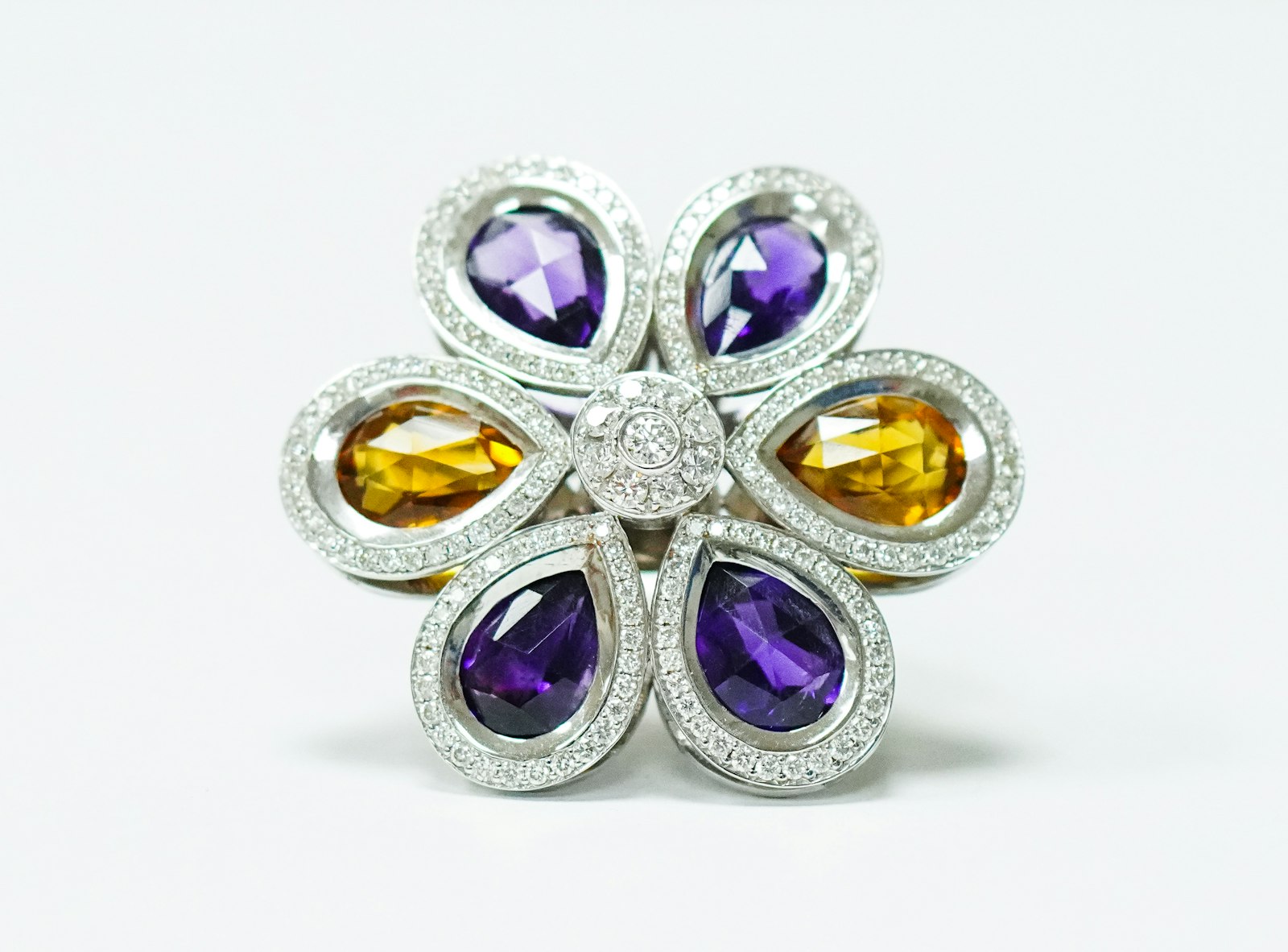
When you are settling an estate or clearing a jewelry box, there are three real routes: sell outright to a buyer, consign to a shop, or consign to an auction house. Each has a place. The trick is matching the route to the piece.
Selling outright
You bring the jewelry to a buyer, they evaluate it, make an offer, and pay on the spot. You get certainty and speed, and you are done. The buyer takes on all the risk of reselling, so the price is a wholesale-based price — below what the piece might eventually fetch at retail, but with no fees, no waiting, and no chance it does not sell.
Best for: most jewelry, including gold, diamonds, watches, and mid-range estate pieces; anything you want resolved now; estates that need a documented, itemized number for probate.
What to watch: choose a buyer who prices estate pieces as pieces rather than as scrap, and who explains the offer. Get it in writing.
Consigning to a shop
An estate jeweler displays the piece and pays you when it sells, keeping a commission — commonly 25 to 50 percent of the sale price. You keep ownership until then. In theory you receive more than a dealer would have paid; in practice, after commission, the difference is often small, and it can take six months to a year or more. You also carry the risk of the shop’s pricing decisions, damage, and, occasionally, its solvency.
Best for: distinctive, attractive pieces at retail-friendly price points, when you are not in a hurry and have a shop you trust.
What to watch: a written consignment agreement with the minimum price, commission, insurance, and the right to withdraw.
Consigning to auction
The auction house catalogues the piece, estimates it, and sells it to the highest bidder, deducting a seller’s commission (typically 10–25 percent) plus fees for photography, insurance, and sometimes a buy-in charge if the lot fails. Important, signed, or rare pieces — Cartier, Van Cleef, fine period jewelry, large or rare stones — can achieve prices above any dealer’s offer because collectors compete. Ordinary jewelry usually does not; auction houses also decline or bundle low-value lots.
Best for: signed, period, or otherwise exceptional pieces; anything a specialist tells you might attract competitive bidding.
What to watch: the reserve (the minimum you will accept), the timing (major jewelry sales happen a few times a year), and the total fees. Ask a dealer for an outright offer first so you know your floor.
A practical approach
- Get the whole collection evaluated by a specialist buyer at no charge. Ask them to flag anything that might do better at auction — an honest buyer will tell you.
- Sell the everyday pieces outright: gold, ordinary diamond jewelry, watches, and mid-range estate items.
- For any exceptional piece, get the buyer’s written offer, then ask an auction house for an estimate and fee schedule. Compare what you would net, and how long you would wait.
We are happy to be the first step. Bring the collection to our Atlanta or New York office; we will tell you what each piece is, what we would pay, and which pieces, if any, are worth taking to auction.