Estate & Antique · Updated September 1, 2026
What Makes Antique Jewelry Valuable?
The factors that separate a valuable antique piece from a merely old one — signature and maker, workmanship, period, originality and condition, the stones, and provenance — and the mistakes that destroy value before a sale.
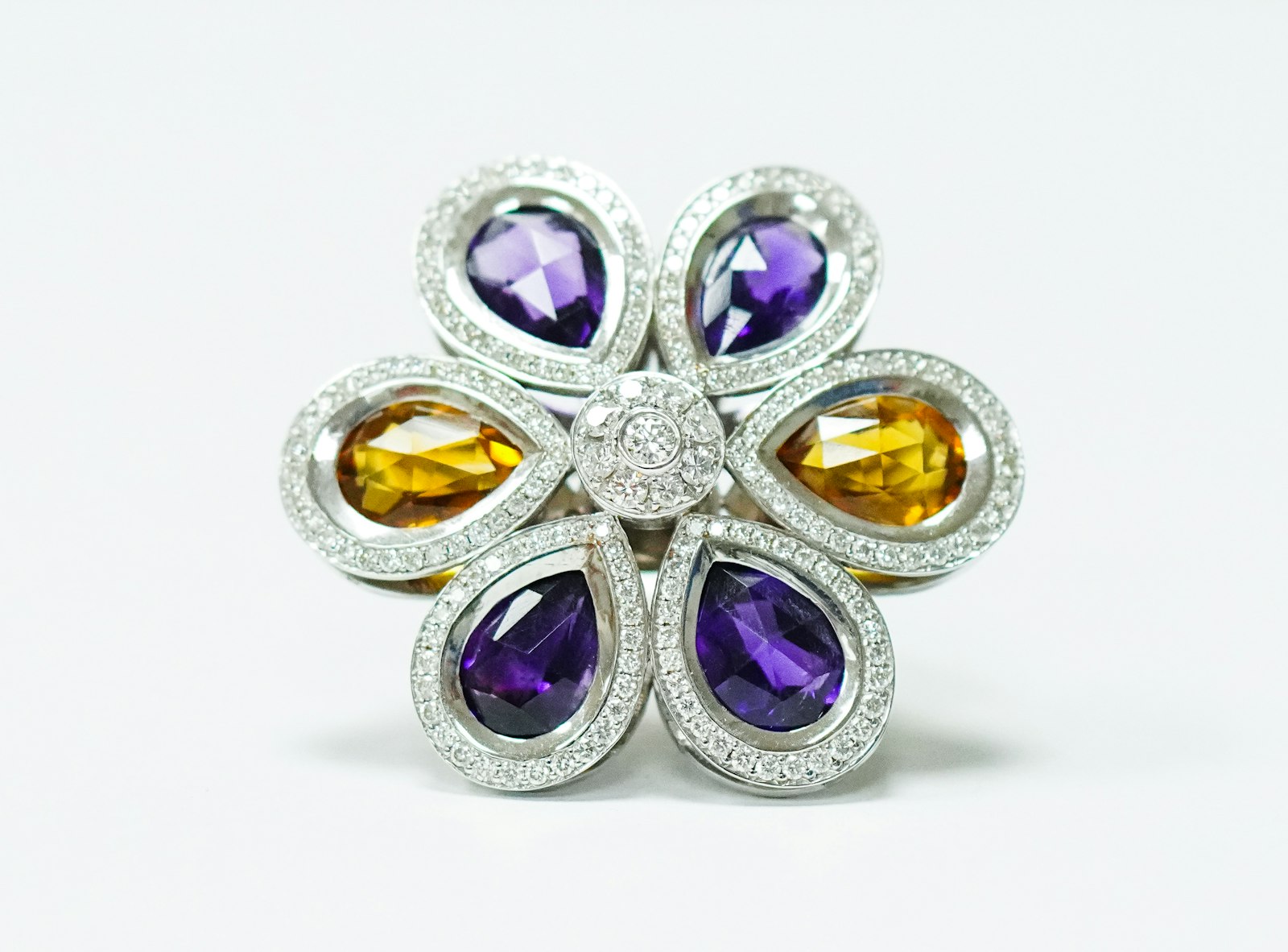
Age alone does not make jewelry valuable. Plenty of hundred-year-old pieces are worth their gold weight and nothing more, and a few are worth a hundred times that. What separates them is a fairly short list.
1. Who made it
A signature — or, failing that, a confident attribution — is the single biggest multiplier in antique jewelry. A period bracelet by Cartier, Van Cleef & Arpels, Boucheron, Tiffany, Fabergé, Castellani, Lalique, or Raymond Yard sells to collectors at several times what an anonymous piece of the same materials and quality would bring. Signatures are found engraved on clasps, inside shanks, on the backs of brooches, and on pin stems; French pieces also carry maker’s poinçons (lozenge-shaped marks) and an eagle’s head for 18K. Unsigned pieces by known workshops can sometimes be attributed by construction and design, with a smaller premium.
2. How well it is made
Quality of work is visible under a loupe: crisp hand-engraving, even millegrain, fine piercing in a gallery, precisely calibré-cut stones that fit the design, and clean, tight settings. A superbly made anonymous piece is worth more than a mediocre signed one. Hand fabrication (Georgian, Victorian, Edwardian, Deco) is generally valued above later cast work.
3. The period — and whether it is genuine to it
Some periods are scarcer than others. Genuine Georgian jewelry (pre-1837) is rare; Art Deco is the most sought after; Victorian is abundant. Reproductions are common in all styles, especially Deco, and a 1980s “Deco-style” ring is priced as a modern ring. Construction, cut styles of the diamonds (rose, old mine, old European, transitional), metal (platinum arrives c. 1900; white gold in the 1920s), findings (C-clasps, trombone clasps, screw-back earrings), and hallmarks date a piece.
4. Originality and condition
Collectors pay for pieces that have not been altered: original stones, original mountings, original patina. Common value-destroying interventions include replacing old cut diamonds with modern brilliants, converting brooches to pendants, resizing rings by cutting the shank, re-tipping prongs crudely, and — a frequent one — polishing away a century of surface texture. Wear consistent with age is fine; damage and bad repairs are not, though a specialist can often restore a piece and will price it on what it will be, not just what it is.
5. The stones
Natural, untreated stones of the period carry premiums: old mine and old European cut diamonds; unheated Burmese and Ceylon sapphires; Burmese rubies; Colombian emeralds; natural (not cultured) pearls, which can be extremely valuable and are common in Edwardian and earlier jewelry. Conversely, a Victorian piece whose stones were swapped for modern synthetics loses much of its value.
6. Provenance and paperwork
Original boxes, receipts, and documented history add value, and for signed pieces a maker’s archive confirmation can add a great deal. Family stories help less than paper, but they are worth telling a buyer.
Things that matter less than people expect
- Gold content. Antique gold is often 9K–15K or silver-topped gold; the metal is rarely where the value is.
- Size. A small, superb piece beats a large, ordinary one.
- An old appraisal. Retail replacement value, often inflated, not resale value.
Before you sell
Do not clean, polish, repair, or reset anything. Gather any boxes and paperwork. Take the pieces to a buyer who handles antique jewelry and ask them to identify period, maker, and stones in front of you and to price the piece as a piece. We do this at our Atlanta and New York offices.